Visualizzazione post con etichetta Schengen. Mostra tutti i post

venerdì 16 settembre 2016

Merkel ammette la crisi nella UE: “situazione critica”


L'Unione Europea è in una situazione critica e i suoi problemi non possono essere risolti in un unico incontro dei leader, ha affermato il cancelliere tedesco Angela Merkel al vertice UE di Bratislava.


"Il concetto è quello di non aspettarsi semplicemente la soluzione dei problemi europei in un vertice, ci troviamo in una situazione critica; sta nel dimostrare che attraverso le azioni possiamo essere migliori", — la Reuters cita le parole della Merkel. Oggi i leader dei 27 Paesi europei senza il Regno Unito si incontrano a Bratislava. Il tema principale del vertice è il futuro dell'Europa sullo sfondo della prevista uscita della Gran Bretagna dalla UE. Inoltre i leader europei parleranno di immigrazione, sicurezza e sviluppo economico.

Fonte: sputniknews

EU Strives for post-Brexit With Leaders Focused on Security


(Bloomberg) Leaders of the European Union’s 27 nations minus the U.K. talked up the need to secure their borders to control immigration and curb terrorism as they began to chart a way forward in the wake of Britain’s vote to leave the bloc.

As a summit in the Slovak capital Bratislava got under way, government chiefs attempted to put aside disagreements on the EU’s most pressing issues -- from how to cope with a record influx of refugees to boosting economic growth -- as they cast around for solutions to fight a surging wave of populism from Paris to Vienna that’s gnawing at the bloc’s liberal principles.
“We need to be united,” German Chancellor Angela Merkel told reporters Friday on her way into the meeting in Bratislava Castle on the banks of the Danube River. “This is about showing that we can do better through action in the areas of security -- internally and externally -- fighting terrorism, cooperation on defense, that we can do better in the area of growth and employment.”
The U.K.’s unprecedented decision to turn its back on the EU was the trigger for an intense period of European introspection, but it wasn’t the only cause. An influx of more than a million migrants from the world’s troublespots, fatal terrorist attacks and an unemployment rate that’s barely budged since the ravages of the debt crisis half a decade ago are combining to increase anti-EU feeling across the bloc and a sense of existential crisis.

Eastern Concerns

Even as leaders talk up unity of purpose on migration, there’s little evidence the EU’s eastern countries are ready to participate in the bloc’s plans to share the burden of asylum seekers. Hungary, Poland, Slovakia and the Czech Republic will instead use the Bratislava summit to call for a strengthening of EU security, better control of its southern borders and protection of free movement, Czech Prime Minister Bohuslav Sobotka said on his way into the meeting.

“There’s a very strong will among everyone -- the 27 members -- to continue with the European project,” Sobotka said. “The alternative is protectionism, building fences between members, conflicts between individual countries.”
What’s not on the official agenda is the EU’s future relationship with the U.K. post-Brexit since leaders have made clear that they won’t enter into negotiations with Theresa May’s government until formal notification of Britain’s is posted.
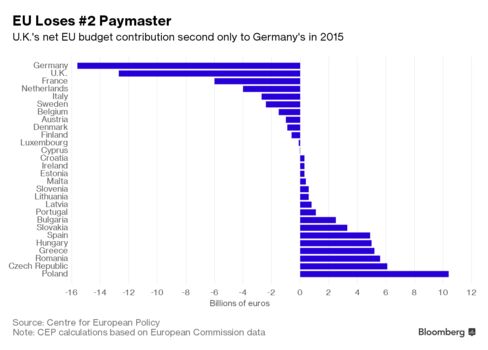
The summit, held in Bratislava because Slovakia holds the EU’s rotating presidency, may be long on rhetoric and short on action, with leaders likely to come to few decisions. They will instead try to set broad parameters for negotiations in the months ahead.
“What is fundamental here today is that all together we work so that Europe has an identity, a heart,” said Italy Prime Minister Matteo Renzi. “If Europe deals a bit less with rules and bureaucracy and a bit more with fundamental questions I think this is good for our country and for everyone.”
Merkel used a speech late Thursday in Potsdam, outside Berlin, to vow to do everything she can to hold the EU together in the face of a populist backlash, saying the bloc’s survival is becoming a question of war and peace.
The strong language from Europe’s pre-eminent leader underscores the stakes for Merkel and the other national EU leaders as they plot the union’s course post-Brexit. While Friday’s meeting is only an opening move, economists say that a weak response risks holding back growth and plunging the EU into an prolonged malaise.

2017 Elections

Elections in the Netherlands, France and Germany in 2017 could make it difficult to achieve a significant breakthrough that revives confidence in the future of the EU, according to Philippe Gudin, chief European economist at Barclays Bank in Paris.
P.S. se volete la traduzione automatica utilizzate la funzione translate del blog con una qualsiasi lingua e poi selezionate l'italiano.




venerdì 20 maggio 2016

Il muro sul Brennero e la fine del trattato di Schengen

big-avramopoulos-brennero-799348

DURISSIMA LETTERA DEL COMMISSARIO EUROPEO AVRAMOPOULOS AD ALFANO: BRUXELLES NON E’ CONTRARIA ALLA EVENTUALE CHIUSURA DEL BRENNERO E PREPARA UNA PROCEDURA DI INFRAZIONE CONTRO L’ITALIA SUI RIMPATRI DEI MIGRANTI

La Commissione Europea certifica il fallimento del piano di rimpatri: trasferiti solo 1.500 migranti a fronte dei 160mila previsto per la fine del 2017. Il muro? “E’ possibile, in via eccezionale, adottare misure provvisorie per incanalare i flussi migratori…”

Fiorenza Sarzanini per il “Corriere della Sera
DIMITRIS AVRAMOPOULOS
La lettera è stata trasmessa al Viminale sei giorni fa e contiene tre punti di contestazione alle politiche migratorie dell' Italia. Quanto basta per riaprire lo scontro con Bruxelles. Perché il documento firmato dal commissario Dimitris Avramopoulos fa proprie «le preoccupazioni espresse dall' Austria riguardo al potenziale aumento di migranti in provenienza dall' Italia».
E non esclude che sui Cie possa essere avviata una procedura di infrazione. Nel giorno in cui la stessa Commissione europea decreta ufficialmente il fallimento del piano di ricollocamento dei profughi giunti nel nostro Paese e in Grecia - appena 1.500 trasferimenti a fronte dei 160 mila previsti per la fine del 2017 - si scopre che anche Roma è sotto tiro.
Durissima la reazione del ministero dell' Interno, dove si sottolinea: «Il nostro impegno è massimo, ma non riusciamo nemmeno a garantire il trasferimento degli eritrei che hanno diritto all' asilo visto che gli Stati membri non forniscono alcuna collaborazione». Proprio ieri il prefetto Mario Morcone ha evidenziato come «nelle strutture sono attualmente presenti ben 120 mila stranieri».

Il «muro» austriaco

simona vicari con angelino alfano
SIMONA VICARI CON ANGELINO ALFANO
Scrive Avramopoulos: «Ho ribadito che il Codice frontiere Schengen vieta l' installazione di recinzioni alle frontiere interne. Tuttavia è possibile, in via eccezionale, adottare misure provvisorie per incanalare i flussi migratori, se necessario e proporzionato.
Per preservare l' integrità dello spazio Schengen, condivido tuttavia le preoccupazioni espresse dall' Austria riguardo al potenziale aumento dei movimenti secondari di migranti in provenienza dall' Italia e all' importanza dell' essere preparati ad affrontare i flussi migratori provenienti dalla rotta del Mediterraneo centrale.
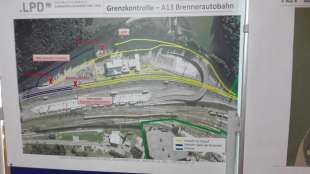
La barriera prevista al Brennero
LA BARRIERA PREVISTA AL BRENNERO
In tale contesto è fondamentale che l' Italia - uno degli Stati membri in prima linea, particolarmente esposto alla rotta del Mediterraneo centrale proveniente dalla Libia - intensifichi gli sforzi già in atto per fornire le condizioni di accoglienza necessarie ai migranti in arrivo e per prevenire le fughe».

Cie e «hotspot»

Ieri il ministro Angelino Alfano si è detto «disponibile ad aprire due nuovi centri di smistamento» ed è tornato a proporre «hotspot» galleggianti. Su questo la posizione della Commissione è però netta: «Frontex non dispone in permanenza di navi più grandi.
Migranti - vertice polizia al Brennero
MIGRANTI - VERTICE POLIZIA AL BRENNERO
Confido che l' Agenzia valuterà la proposta ma, come viene giustamente osservato nella lettera, il trasferimento in alto mare da una nave all' altra di un gran numero di migranti soccorsi/intercettati ne metterebbe a rischio la vita».
Critiche forti di Avramopoulos anche sulle strutture: «Pur riconoscendo il forte impegno dell' Italia, un gran numero di sbarchi avvengono al di fuori dei punti di crisi (hotspot), e i previsti gruppi mobili addetti ai punti di crisi non sono ancora operativi. È quindi importante predisporre i punti di crisi supplementari in Sicilia.
Per quanto riguarda il rimpatrio e la riammissione, l' attuale capacità ricettiva dei centri di trattenimento chiusi è chiaramente insufficiente e deve essere ampliata rapidamente.
Occorre inoltre predisporre urgentemente un nuovo programma di rimpatrio volontario assistito».

Flop del piano Juncker

Ieri la Commissione ha dovuto riconosce in un rapporto ufficiale il fallimento completo dell' agenda Juncker approvata nell' ottobre scorso. A fronte dei 20 mila profughi da ricollocare entro metà maggio, Italia e Grecia sono riusciti a trasferirne appena 1.500: dal nostro Paese sono partiti solo 595 stranieri, di cui 24 bambini.
CENTRI SOCIALI BRENNERO
La Ue conferma che «Austria, Ungheria e Slovacchia non hanno ancora offerto di ricollocare alcun profugo, mentre Germania e Polonia non rispettano l' obbligo di indicare, ogni tre mesi, il numero di richiedenti asilo da accogliere».
Fonte: qui